



Moving out of a rental property can be an overwhelming experience. Between packing up your belongings and coordinating with moving trucks, the last thing you want to think about is cleaning. However, end of tenancy cleaning is not just another chore; it’s a vital step in ensuring that both tenants and landlords have a smooth transition.
Whether you’re preparing to hand over the keys or getting ready for new occupants, understanding end of tenancy cleaning is essential. This process goes beyond your average tidying up—it involves deep cleaning every corner of the property to meet specific standards set by landlords and real estate agents.
In this guide, we’ll explore what end of tenancy cleaning entails, its benefits for both parties involved, key checklists to follow, pricing information for 2024, factors influencing costs, whether professional help is necessary, and how long you should expect it all to take. Let’s dive into why proper end-of-tenancy cleanliness matters and how you can navigate this crucial phase seamlessly!
What is End of Tenancy Cleaning?
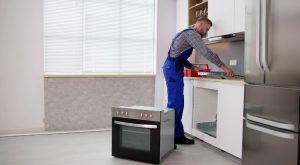
End of tenancy cleaning refers to a comprehensive cleaning process that takes place when tenants vacate a rental property. This deep clean is essential for restoring the property to its original condition, ensuring it meets the expectations of landlords and new occupants.
Unlike regular cleaning, which may involve surface-level tidying, end of tenancy cleaning focuses on every nook and cranny. It typically covers areas such as kitchens, bathrooms, living spaces, and bedrooms. Tasks often include scrubbing floors, sanitizing surfaces, washing windows, and even removing any built-up grime from appliances.
Landlords often require this type of clean before returning security deposits or welcoming new tenants. A well-done end-of-tenancy clean can significantly impact how quickly a property re-rents and whether any disputes arise regarding cleanliness standards.
For tenants moving out, investing in thorough end-of-tenancy cleaning can save time and stress down the line. By ensuring the space is immaculate when leaving, renters increase their chances of receiving their full deposit back while making a positive impression on future residents.
Benefits of End of Tenancy Cleaning
End of tenancy cleaning offers numerous benefits for both tenants and landlords. For tenants, a thorough clean can significantly increase the chances of securing their deposit back in full. Landlords often expect properties to be returned in pristine condition, and a deep clean demonstrates responsibility and respect for the property.
For landlords, ensuring that a rental property is professionally cleaned before new tenants move in can make all the difference. A well-maintained space is more attractive to prospective renters, helping reduce vacancy times and improve rental income potential.
Moreover, end of tenancy cleaning eliminates lingering odors and stains left by previous occupants. This creates a fresh environment that enhances tenant experience from day one. A sanitized home also promotes better health by removing allergens or bacteria accumulated over time.
Investing in professional end-of-tenancy cleaning services saves time and effort for both parties involved. It allows tenants to focus on moving logistics while giving landlords peace of mind knowing that their property will be presented at its best for new residents.
End of Tenancy Cleaning Checklist

In end-of-tenancy cleaning checklist is essential to ensure that the property is left in excellent condition, helping you secure your deposit and making the transition smoother for future tenants. Here’s a detailed checklist to guide you through the process:
General Tasks
- Dust all surfaces: Including ceilings, light fixtures, shelves, and baseboards.
- Vacuum and mop floors: Throughout the entire property.
- Clean windows: Inside and out, including sills and tracks.
- Remove cobwebs: From corners and ceiling edges.
- Ensure all light fixtures are working: Replace burnt-out bulbs if necessary.
Kitchen
- Oven: Use an oven cleaner for tough stains. Don’t forget the racks!
- Stove: Clean burners and knobs.
- Microwave: Clean both inside and outside.
- Fridge: Empty, clean, and defrost (if necessary). Wipe shelves and drawers.
- Dishwasher: Remove any debris and run a cleaning cycle.
- Clean sink: Remove stains and scrub the faucet.
- Mop floor: With appropriate cleaning solution.
Living Room
- Dust furniture: And wipe any surfaces.
- Clean carpets/rugs: Vacuum thoroughly or professionally clean if needed.
- Wipe down electronics: TVs, remotes, and other devices.
- Clean windows: Remove any smudges and dust from blinds or curtains.
Bedrooms
- Dust all surfaces: Furniture, shelves, and decor.
- Clean inside closets: Remove any leftover items and wipe down shelves.
- Vacuum carpets or mop floors: Pay extra attention to corners.
- Clean windows: Ensure they are streak-free.
- Change bed linens: If applicable, leave fresh sheets on the bed.
Bathrooms
- Scrub toilets: Including bowls, seats, and the exterior.
- Clean sinks and faucets: Remove any soap scum or stains.
- Wash the shower/tub: Remove any mold or grime.
- Wipe down mirrors: Make sure they are streak-free.
- Clean cabinets and drawers: Remove any personal items and disinfect.
- Mop floors: Use an appropriate bathroom cleaner.
Hallways and Stairs
- Dust railings and banisters: Ensure they’re free of dust and fingerprints.
- Vacuum or mop floors: Pay close attention to areas behind doors and corners.
- Check light fixtures: Clean and replace any bulbs as needed.
Final Touches
- Remove all personal belongings: Double-check every room, closet, and storage area.
- Empty trash bins: Dispose of all waste throughout the property.
- Check for damages: Make note of any issues that need to be reported to the landlord.
- Leave property keys: In the designated location as instructed by the landlord or agency.
How Much Does End of Tenancy Cleaning Cost in 2024?

The cost of end of tenancy cleaning in 2024 varies based on several factors, including the size of the property and its condition. For a one-bedroom apartment, prices typically from . Larger properties, such as three or four-bedroom houses, can expect rates between £200 and £400.
Location also plays a significant role in determining costs. In cities with higher living expenses like London, you may pay around 20% more than in smaller towns or rural areas. Additional services like carpet cleaning or upholstery treatment will increase the overall price.
Cleaning companies often charge by the hour or provide fixed packages tailored to specific property sizes. When comparing quotes, ensure that all necessary services are included to avoid unexpected fees later on.
Many landlords require professional cleaning before tenants move in or out. While DIY options exist for those looking to save money, they may not achieve the same level of cleanliness expected by landlords and estate agents. Investing in professional service can help secure your deposit back smoothly.
Factors Affecting the Cost of a House Cleaning
Several factors influence the cost of end of tenancy cleaning, making it essential to understand what affects pricing. First, the size and layout of the property play a significant role. Larger homes require more time and effort, resulting in higher costs compared to smaller apartments.
The level of cleanliness also matters. If a property has been well-maintained during occupancy, it may need less intensive cleaning than one that has seen years of neglect. Heavily soiled carpets or stained upholstery can increase labor requirements and overall expenses.
Another important factor is the location. Cleaning services in urban areas often charge more due to higher demand and operating costs compared to rural regions where competition might keep prices lower.
Special requests for additional services can spike costs as well. Tasks such as deep carpet cleaning, window washing, or exterior pressure washing typically come with extra fees beyond standard cleaning packages.
Is Professional Cleaning Required at the End of Tenancy?

Professional cleaning at the end of a tenancy is often debated among tenants and landlords. While it’s not always a legal requirement, many rental agreements stipulate that the property should be returned in a clean condition. This expectation can vary based on individual circumstances and relationships between tenants and landlords.
For tenants, hiring professional cleaners can save time and ensure thoroughness. These experts have experience tackling tough stains, deep-cleaning carpets, and sanitizing kitchens or bathrooms—tasks that may overwhelm an average renter with limited resources or knowledge. A pristine home increases chances of receiving the full security deposit back.
Landlords benefit from having properties professionally cleaned as well. It ensures consistency across their rentals and helps maintain a positive reputation in the market. Clean homes attract quality tenants who are willing to pay higher rents for well-maintained spaces.
Whether professional cleaning is necessary depends on specific lease terms, expected cleanliness levels, and personal preferences of both parties involved in the rental agreement. Clear communication about expectations will help avoid disputes after moving out.
How Long Does the End of Tenancy Cleaning Take?
The duration of end of tenancy cleaning can vary based on several factors. Typically, it takes between 4 to 8 hours for a standard-sized apartment. Larger properties or those with more rooms will naturally require additional time.
Complexity also plays a significant role in the timeframe. If the previous tenants left behind considerable mess or damage, cleaners may need to spend extra hours addressing these issues thoroughly. This is especially true for deep-cleaning tasks such as carpet shampooing and oven cleaning.
Another influencing factor is the number of cleaners assigned to the job. A larger team can complete tasks faster than a smaller one, leading to reduced overall cleaning time. However, it’s essential that they work efficiently without compromising quality.
Scheduling matters too; weekends might see longer wait times due to higher demand for professional cleaning services. It’s advisable for tenants and landlords alike to plan ahead when booking their end-of-tenancy cleanings to ensure everything fits smoothly into their timelines.
Conclusion
End of tenancy cleaning is a crucial step for both tenants and landlords. It ensures that the property is in pristine condition, ready for new occupants. For tenants, this process can mean the difference between receiving their full security deposit back or losing a portion due to cleaning issues. For landlords, it guarantees that their investment looks its best for future rentals.
Understanding what end of tenancy cleaning entails helps set expectations. Having a clear checklist ensures nothing important gets overlooked during the process. Moreover, knowing the typical costs involved allows both parties to budget appropriately.
FAQ
Why is end of tenancy cleaning important?
End of tenancy cleaning is essential for ensuring that both tenants and landlords have a smooth transition. It helps tenants secure the return of their full security deposit and allows landlords to present a clean property to new occupants, potentially reducing vacancy times and enhancing tenant satisfaction.
What benefits do tenants gain from end of tenancy cleaning?
A thorough end of tenancy clean increases tenants’ chances of receiving their full security deposit back. It shows responsibility and care for the property, which can positively influence landlords and help avoid disputes over cleanliness standards.
Is professional cleaning necessary at the end of my tenancy?
While not always legally required, many rental agreements require tenants to return the property in a clean condition. Professional cleaning can save time, ensure thoroughness, and increase the likelihood of securing the full deposit back. It also provides landlords with consistency and enhances their property’s appeal to new tenants.
What happens if I don’t clean the property before moving out?
Failing to clean the property adequately can result in deductions from your security deposit. Landlords may also find it challenging to rent the property quickly if it is not in good condition, potentially leading to disputes over cleanliness standards.
How can I ensure a smooth transition during the end of my tenancy?
To ensure a smooth transition, start by creating a detailed cleaning checklist, allocate sufficient time for cleaning tasks, consider hiring professional cleaners, and communicate openly with your landlord about expectations. Planning ahead can help prevent last-minute stress and issues.